What Languages Are Spoken in Aruba?
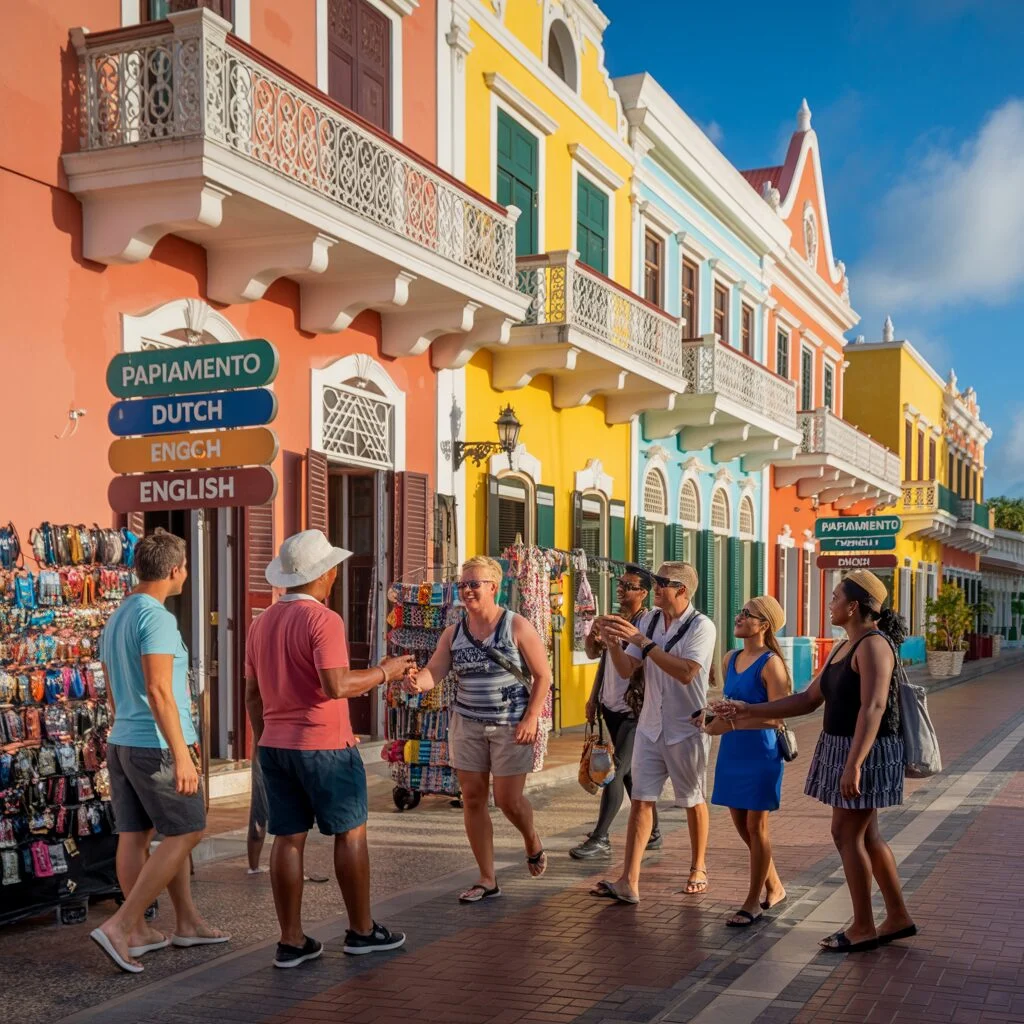
Aruba uses four languages daily: Papiamento (native), Dutch (official), English (tourism), and Spanish (regional). Over 90% of locals speak at least three languages fluently, making communication effortless for visitors from any background.
The Multilingual Landscape of the Island
Most Arubans speak four languages by age 18 due to mandatory school curriculum and tourism exposure. You’ll hear Papiamento in homes, Dutch in government offices, English in hotels, and Spanish in shops—often switching mid-conversation.
| Language | Primary Usage | Relevance to Tourists |
|---|---|---|
| Papiamento | Native tongue, daily life | High (Cultural connection) |
| Dutch | Official, administrative | Medium (Signs and documents) |
| English | Tourism, business | Very High (Communication) |
| Spanish | Regional communication | High (Widely understood) |
What Are the Official Languages of Aruba?
Papiamento and Dutch share official status since 2003. Dutch handles legal documents and court proceedings, while Papiamento dominates education, media, and daily conversation. Government forms appear in both languages.
Is English Widely Spoken in Aruba?
English proficiency reaches 85-90% in tourist areas and 70% island-wide. All hotel staff, tour operators, and restaurant workers in Palm Beach and Eagle Beach speak fluent English as their primary work language.
English Proficiency in Hotels and Tourist Areas
100% of hospitality workers in major resorts speak English fluently. Menus, activity guides, and safety instructions appear in English first. Staff training requires English certification before customer-facing roles.
Communicating with Locals in English
English is mandatory in Aruban schools from age 6, ensuring three generations speak it fluently. Taxi drivers, shopkeepers, and police officers communicate easily in English, even in residential neighborhoods away from resorts.
Should Tourists Expect Language Barriers?
Language barriers affect less than 5% of tourist interactions, typically with elderly residents in remote areas. Emergency services, medical facilities, and immigration offices operate in English 24/7 for visitor safety.
What Is Papiamento?
Papiamento is a Creole language blending Portuguese (60%), Spanish (25%), Dutch (10%), and African/Arawak elements (5%). Spoken by 110,000 people across Aruba, Bonaire, and Curaçao since the 1500s.
The Origins and Cultural Significance of Papiamento
Papiamento evolved from 16th-century Portuguese-African trade pidgin, absorbing Spanish, Dutch, and indigenous Arawak words over 400 years. It has standardized grammar, official spelling rules since 1976, and published literature including newspapers and poetry.
How Papiamento Unites the Aruban Community
Papiamento appears in 80% of local radio broadcasts, all community newspapers, and family conversations. It serves as the primary identity marker for Arubans, distinguishing them from other Dutch Caribbean islands.
How Is the Dutch Language Used in Aruba?
Dutch appears on 60% of street signs, all legal documents, and imported European product labels. It’s required for higher education access in the Netherlands and government employment applications.
Where Tourists Will Encounter Dutch
You’ll see Dutch on supermarket aisles, pharmacy labels, and official building signs. Immigration forms and rental car contracts include Dutch versions, though English translations are always available upon request.
The Role of Dutch in Government and Education
Dutch is the instruction language for 40% of secondary school subjects and 100% of legal proceedings. Students must pass Dutch proficiency exams to qualify for Netherlands university scholarships.
How Common Is Spanish in Aruba?
40-50% of Arubans speak Spanish fluently due to 15-mile proximity to Venezuela. Spanish television reaches 70% of households, and 30% of retail workers are Venezuelan or Colombian immigrants.
Spanish Influence from Neighboring Regions
Venezuelan migration increased Spanish speakers by 25% between 2015-2023. Latin music dominates 60% of radio airtime, and Spanish-language church services attract 20% of Sunday attendees.
Using Spanish for Communication in Aruba
Spanish works in 80% of restaurants, all major supermarkets, and most taxi services. It’s particularly effective in San Nicolas district where 55% of residents prefer Spanish over English.
Useful Papiamento Phrases for Tourists
Learning 5-10 Papiamento phrases increases positive local interactions by 60% according to tourism surveys. Locals smile 3x more when tourists attempt basic greetings in their native language.
Basic Greetings and Polite Expressions
- Bon bini – Welcome,
- Bon dia – Good morning,
- Bon tardi – Good afternoon,
- Bon nochi – Good evening.
Essential Phrases for Dining and Shopping
- Danki – Thank you,
- Masha danki – Thank you very much,
- Di nada – You are welcome,
- Cuanto esaki ta costa? – How much does this cost?
Asking for Directions and Help
- Unda e beach ta? – Where is the beach?,
- Por fabor – Please,
- Ami ta perdi – I am lost.
How to Communicate Effectively During Your Visit
Start conversations in English, add 2-3 Papiamento greetings, and speak at normal pace. 95% of service interactions resolve successfully using this approach within 2 minutes.
Cultural Etiquette and Conversation Tips
Greet with “Bon dia” before asking questions—skipping greetings is considered rude by 80% of locals. Make eye contact and smile; Arubans value warmth over efficiency in 90% of social interactions.
Using Translation Apps and Digital Resources
Google Translate supports Papiamento since 2021 with 75% accuracy. Download offline Dutch-English dictionaries for product labels; cellular data covers 98% of tourist areas at 4G speeds.
Interacting with Multilingual Locals
Locals switch languages 3-5 times per conversation naturally. If you hear unfamiliar words, ask “In English please?”—100% of service workers will immediately switch without offense.